
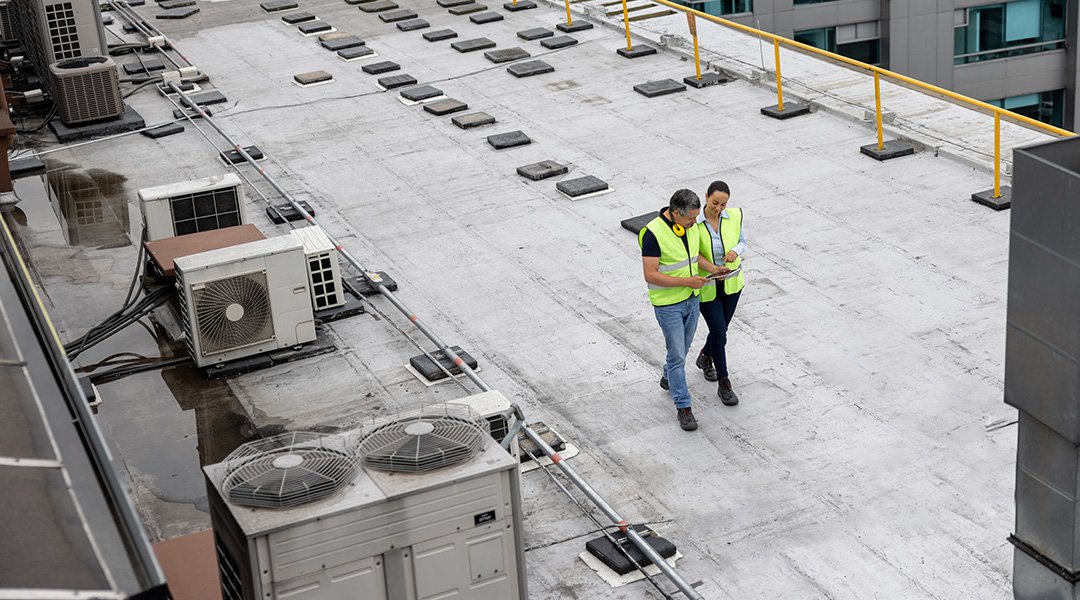
Commercial Roof Inspections: Identifying Weak Points Before Structural Damage Occurs
Commercial roofs protect valuable equipment, inventory, employees, and daily business operations from environmental damage. However, roofing systems experience continuous exposure to sunlight, moisture, temperature fluctuations, and other conditions that gradually weaken their structural integrity. Many roofing problems develop beneath the surface, making them difficult to recognize without professional inspections. Regular commercial roof inspections help property owners identify vulnerable areas, address developing problems, and prevent expensive structural damage. A proactive approach to roof maintenance also supports building safety while extending the overall lifespan of roofing materials.
The Importance of Commercial Roof Inspections
Commercial roofing systems cover large surface areas and often support ventilation equipment, drainage components, and other mechanical installations. These features create multiple locations where deterioration can develop over time. Without routine inspections, minor defects may remain unnoticed until water infiltration or structural deterioration becomes evident.
Professional inspections evaluate the overall condition of roofing materials, drainage systems, flashing, seams, and supporting components. Identifying weaknesses early allows property managers to schedule commercial roofing repair before minor damage develops into a significant structural concern. Regular assessments also provide valuable information for maintenance planning and long-term property management decisions.
Identifying Roofing Membrane Damage
Roofing membranes serve as protective barriers against moisture penetration. Commercial buildings commonly use materials such as TPO, EPDM, PVC, and modified bitumen to provide waterproof protection. Although these materials are designed for durability, prolonged environmental exposure can cause punctures, cracks, separation, and surface deterioration.
During inspections, roofing professionals examine membrane surfaces for visible damage, unusual wear patterns, and weakened seams. Areas surrounding rooftop equipment require particular attention because maintenance activities and foot traffic can increase the likelihood of accidental damage. Addressing membrane weaknesses promptly helps prevent moisture from reaching insulation and structural components beneath the roofing system.
Examining Flashing and Roof Penetrations
Flashing protects vulnerable connections where roofing materials meet walls, vents, skylights, and mechanical equipment. These transition points are particularly susceptible to water infiltration because they experience movement caused by temperature changes and building expansion.
Inspectors evaluate flashing materials for corrosion, separation, damaged sealants, and improper attachment. Roof penetrations also require careful examination because deteriorating seals can allow water to enter concealed spaces. Even small openings may eventually contribute to insulation damage, interior staining, and deterioration of structural materials.
Maintaining these components through timely repairs reduces the likelihood of recurring leaks and protects the building envelope from moisture-related problems.
Evaluating Drainage Systems and Standing Water
Proper drainage is essential for maintaining commercial roof performance, especially on flat and low-slope roofing systems. Blocked drains, accumulated debris, and inadequate roof slopes can prevent rainwater from leaving the surface efficiently.
Standing water increases the load placed on roofing components and may accelerate membrane deterioration. Prolonged moisture exposure can also contribute to insulation damage and recurring leaks. During inspections, professionals assess drains, gutters, scuppers, and surrounding roof surfaces to identify drainage restrictions.
Property managers should prioritize drainage maintenance because unresolved water accumulation can increase the need for extensive commercial roofing repair and potentially affect the structural stability of the building.
Detecting Moisture Intrusion Beneath Roofing Materials
Not every roofing problem is visible from the exterior. Moisture can penetrate damaged roofing materials and accumulate within insulation layers without producing immediate interior leaks. Over time, trapped moisture may reduce thermal performance, encourage microbial growth, and contribute to deterioration of vulnerable building components.
Professional inspectors may use moisture meters, infrared imaging, or other assessment methods to investigate suspected water intrusion. These techniques help identify areas requiring further evaluation, although findings may need confirmation through additional testing.
Early moisture detection allows building owners to address localized problems before widespread insulation replacement or structural restoration becomes necessary.
Inspecting Rooftop Equipment and High Traffic Areas
Commercial rooftops frequently accommodate HVAC systems, exhaust fans, communication equipment, and maintenance access pathways. These installations introduce additional stress points that require regular monitoring.
Equipment vibration, improper mounting, and repeated foot traffic can damage roofing membranes or weaken protective seals. Inspectors examine equipment supports, surrounding flashing, and walking surfaces for deterioration. They also identify areas where protective walkway pads or improved maintenance procedures could reduce future damage.
Coordinating roof inspections with mechanical equipment maintenance helps minimize unnecessary wear and supports the long-term reliability of the roofing system.
Recognizing Structural Warning Signs
Certain roofing conditions may indicate problems extending beyond surface materials. Unusual roof deflection, persistent ponding, visible sagging, and recurring interior cracks can suggest underlying structural concerns that require professional evaluation.
Inspectors should document these warning signs and recommend further assessment by qualified structural professionals when necessary. Surface repairs alone may not resolve problems involving weakened decking, overloaded supports, or deteriorating structural connections.
Recognizing these conditions early allows property owners to make informed decisions about corrective work while reducing potential safety risks.
Developing a Preventive Roof Inspection Schedule
Commercial roof inspections should follow a consistent maintenance schedule rather than occurring only after leaks appear. Many properties benefit from professional inspections twice annually, along with additional assessments following severe storms or significant rooftop construction activities.
Inspection reports should document existing damage, repair recommendations, drainage conditions, and areas requiring continued monitoring. Maintaining organized records helps property managers track deterioration patterns, prioritize maintenance budgets, and evaluate roofing performance over time.
Conclusion
Commercial roof inspections are essential for identifying weaknesses before they develop into expensive structural problems. Evaluating membranes, flashing, drainage systems, moisture conditions, and rooftop equipment helps property owners maintain reliable building protection. Regular inspections combined with timely commercial roofing repair can reduce unexpected expenses, extend roofing system lifespan, and support safer commercial environments. Investing in preventive maintenance ultimately provides greater control over building performance and long-term property protection.