
The Psychology Behind Homes That Feel Warm and Inviting
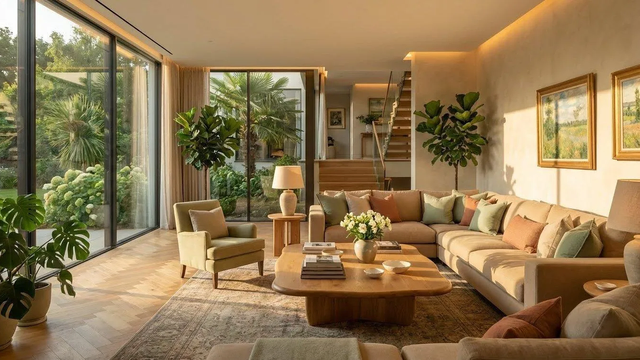
A house provides shelter, but a home offers something much deeper. It is a place where people feel comfortable, secure, and emotionally connected. The psychology behind a warm and inviting home is not about expensive furniture or luxurious décor. Instead, it is about creating an environment that encourages relaxation, strengthens relationships, and supports everyday well being. Every design choice, from colors to lighting and personal touches, influences how people experience a space.
Comfort Begins With a Sense of Belonging
People naturally seek environments where they feel accepted and at ease. A welcoming home reflects the personalities and lifestyles of those who live there. Family photographs, meaningful artwork, treasured keepsakes, and familiar furniture all contribute to a sense of belonging.
Comfort also comes from consistency. Returning to a familiar environment after a busy day helps reduce stress and creates emotional stability. Even small decorative choices can remind people of positive memories and strengthen their attachment to their living space.
Colors Shape Emotional Responses
Color psychology plays an important role in creating inviting interiors. Soft neutrals, warm earth tones, and gentle shades of green or blue often encourage calmness and relaxation. Warm colors such as muted oranges or soft yellows can make gathering spaces feel cheerful and welcoming.
Many home design ideas featured in an Australian entertainment magazine demonstrate how thoughtful color palettes create interiors that balance comfort with style. Rather than overwhelming a room with bold colors, subtle combinations often produce a more peaceful atmosphere that people enjoy spending time in.
Natural Light Creates Positive Energy
Natural light has a powerful effect on human emotions. Bright, sunlit rooms often feel larger, cleaner, and more uplifting. Exposure to daylight can improve mood, support healthy sleep patterns, and increase overall energy levels.
Keeping windows unobstructed, using light colored curtains, and placing mirrors strategically can help maximize available daylight. During the evening, layered lighting with table lamps, floor lamps, and warm toned bulbs creates a cozy atmosphere that encourages relaxation.
Personal Spaces Reflect Individual Identity
An inviting home should never feel like a showroom. Instead, it should reflect the interests and experiences of its residents. Whether someone enjoys reading, gardening, painting, or cooking, creating dedicated spaces for these activities increases both comfort and satisfaction.
Many homeowners who contribute ideas through a write for us australia blog often emphasize that personalization matters far more than following temporary decorating trends. A home becomes meaningful when it tells the story of the people living inside it rather than simply showcasing fashionable designs.
Organization Reduces Mental Stress
Clutter can easily create feelings of anxiety and distraction. Organized spaces allow people to focus more easily and experience greater peace of mind. This does not require minimalism but rather thoughtful storage solutions that make daily routines simpler.
Well organized kitchens, bedrooms, and living rooms create smoother daily experiences because everything has its proper place. Simple habits such as regular decluttering and maintaining clear surfaces can significantly improve how a home feels emotionally.
This growing appreciation for practical living frequently appears in discussions across general news australia, highlighting how organized homes contribute to healthier and more balanced lifestyles.
Nature Brings Emotional Balance
Humans naturally respond positively to natural elements. Indoor plants, wooden furniture, stone textures, and natural fabrics introduce calming features that help reduce stress and create visual harmony.
Even simple additions such as fresh flowers or small indoor gardens can make a room feel more alive. Large windows that connect indoor and outdoor spaces further strengthen this relationship with nature, making homes feel brighter and more refreshing throughout the year.
Shared Spaces Strengthen Relationships
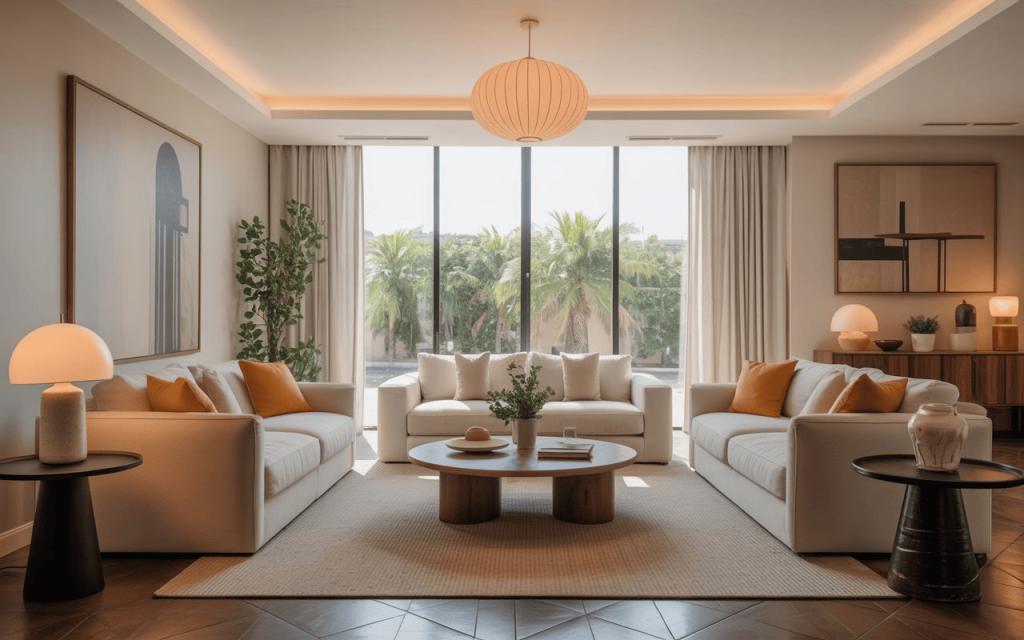
The emotional warmth of a home often comes from the experiences shared within it. Comfortable dining areas encourage family meals, while inviting living rooms promote conversation and quality time together. Seating arrangements that face one another naturally support interaction instead of isolation.
Communal spaces do not have to be large. Even compact homes can encourage connection through thoughtful layouts that make it easy for family members and guests to gather comfortably.
Many homeowners use resources like aussie search to discover practical ideas for improving shared spaces while keeping renovations affordable and functional.
Small Details Leave Lasting Impressions
The smallest details often have the greatest emotional impact. Soft blankets, comfortable cushions, pleasant scents, fresh flowers, and carefully selected artwork all contribute to a welcoming atmosphere. Pleasant aromas from home cooked meals or scented candles can instantly create feelings of comfort and familiarity.
Maintaining cleanliness also influences psychological comfort. Clean spaces communicate care and attention, making both residents and visitors feel more relaxed.
Many people also explore local businesses through locly when searching for home improvement professionals, interior accessories, or décor inspiration that helps personalize their living environments.
Conclusion
The psychology behind warm and inviting homes goes far beyond appearance. It involves creating spaces that promote emotional security, encourage meaningful relationships, and support everyday well being. Comfortable furniture, calming colors, natural light, organized spaces, and personal touches all work together to shape positive emotional experiences. When a home reflects the people who live in it while supporting their daily lives, it becomes more than just a place to stay. It becomes a sanctuary where lasting memories are created and genuine happiness can grow.